Tunnels · 5 September 2026 · 7 min read
Building Tunnels Across Southern Africa: Botswana, Zimbabwe and Mozambique
What changes when you build an agricultural tunnel outside South Africa — heat, wind, water, customs, transport and site labour in Botswana, Zimbabwe and Mozambique.
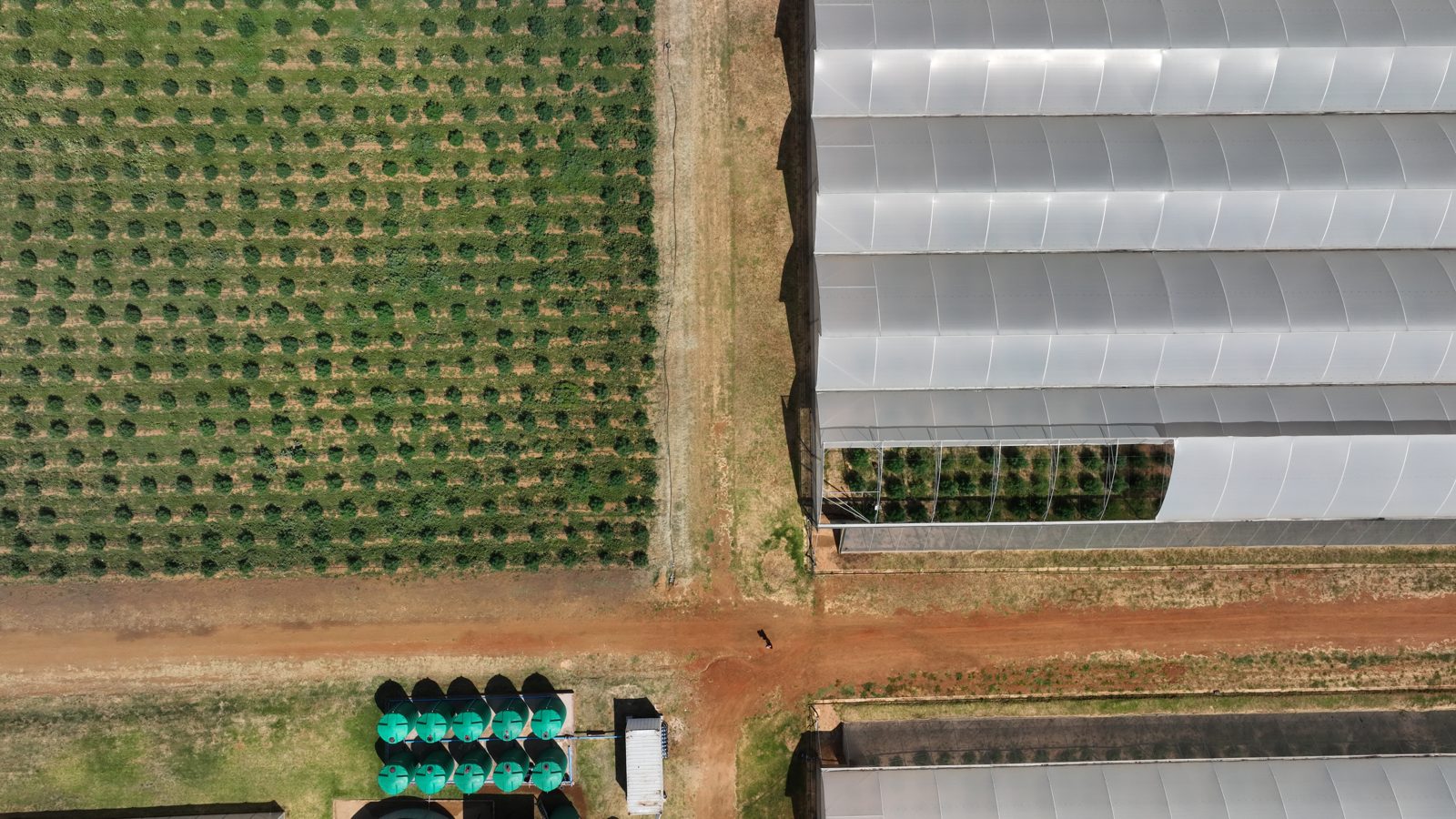
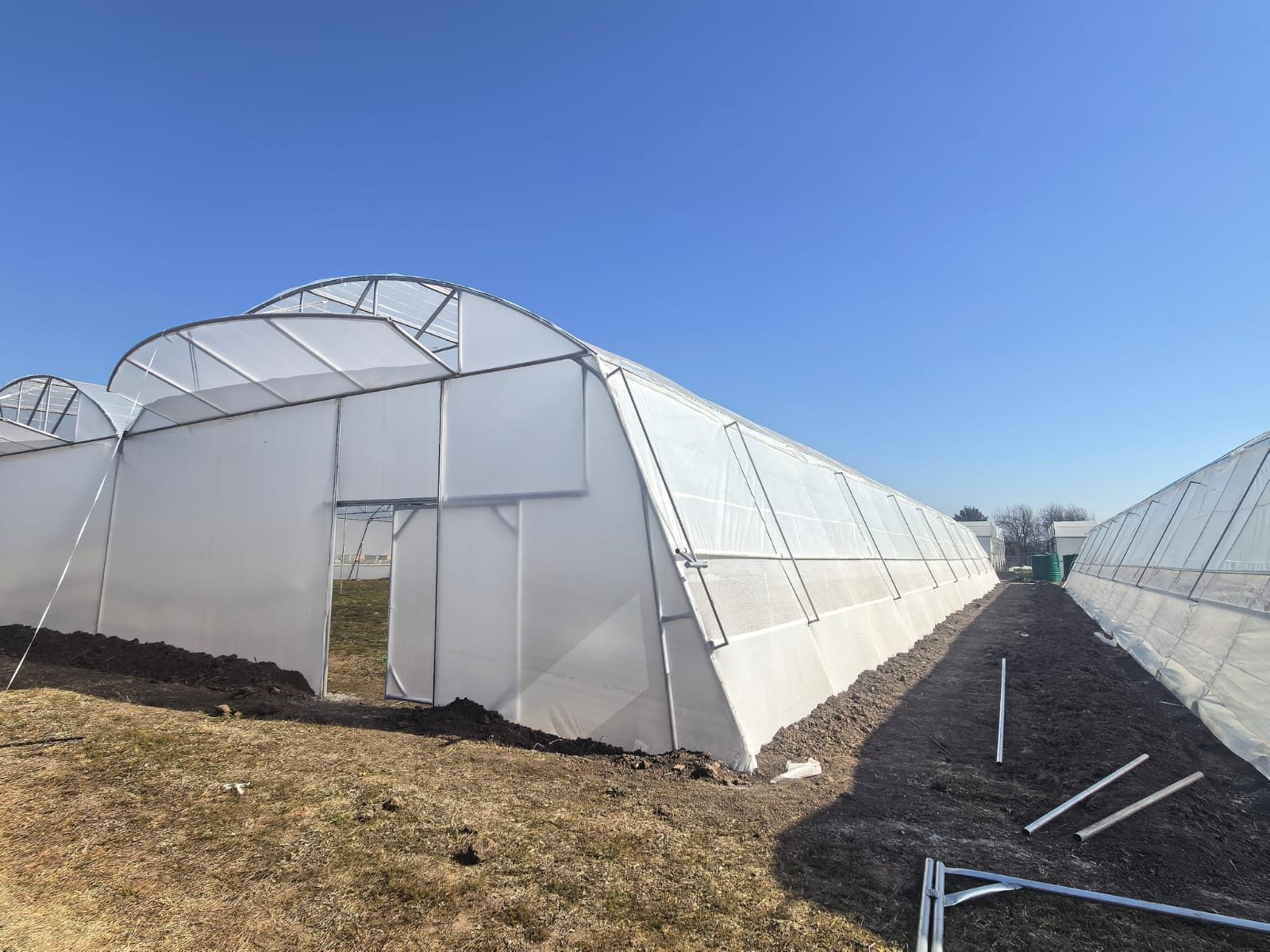
We manufacture in South Africa and install across the region. A tunnel that performs perfectly outside Johannesburg is not automatically the right tunnel for Francistown, Bulawayo or Beira. These are the things that genuinely change when you build across the border.
Botswana: heat, water and dust
Botswana's growing challenge is heat load and water. Summer temperatures make ventilation the single most important design decision — inadequate venting turns a tunnel into an oven and the crop simply stops. For Botswana sites we specify larger roll-up side ventilation, gable vents and, in many cases, active cooling or shade netting over the structure.
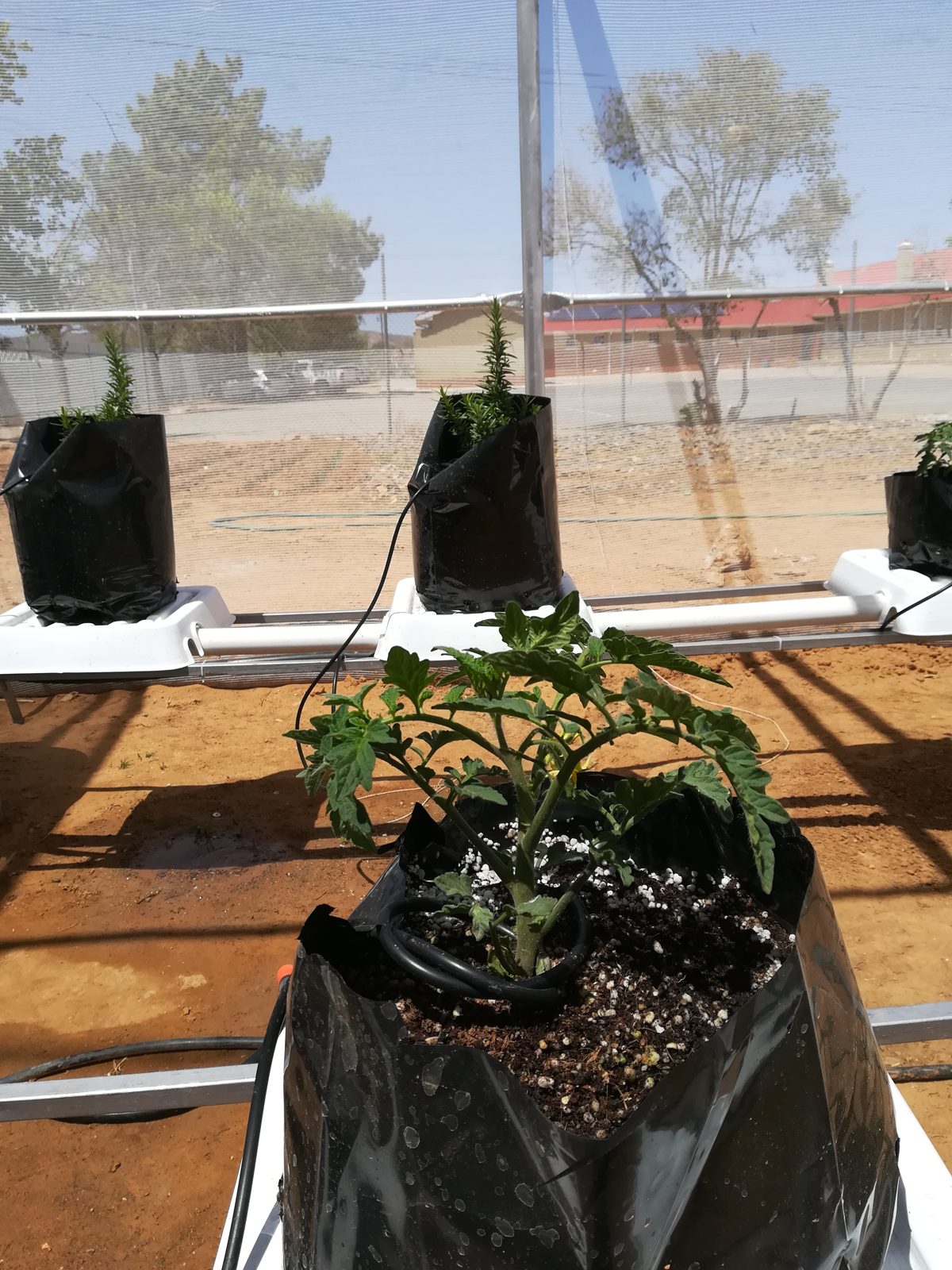
Water is often borehole and often mineral-heavy. Get a full water analysis before the system is designed: sodium and bicarbonate levels change the nutrient recipe and can rule out fully recirculating systems.
Dust is the third factor. Fine dust settles on the cover and reduces light transmission measurably over a season, so plan for cover washing in the maintenance schedule.
Zimbabwe: input reliability and power
Zimbabwe has strong agricultural skill and good growing conditions across much of the country. The practical constraints are input availability and electricity. That has two design consequences.
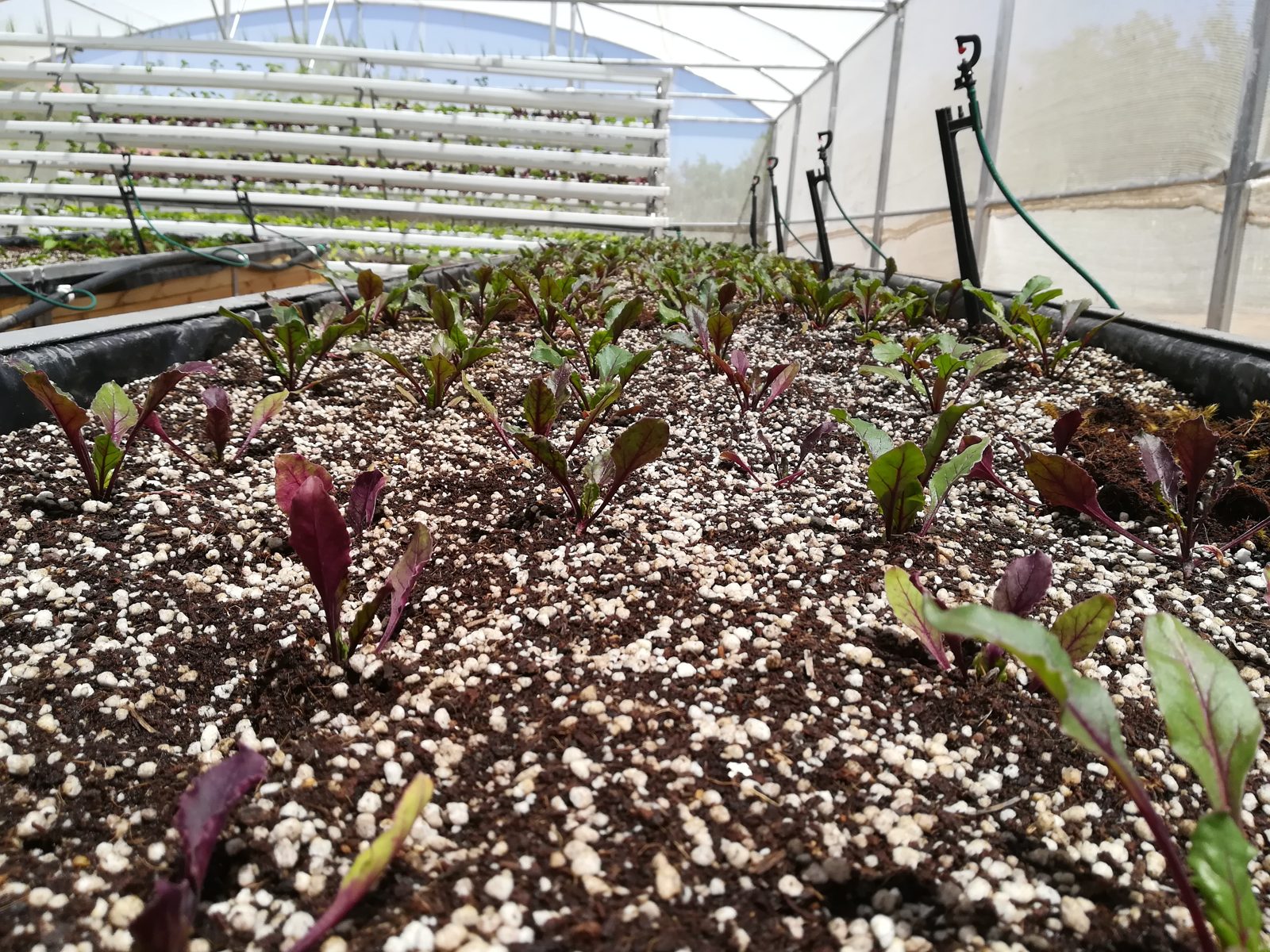
First, favour systems that tolerate interruption. Drip into a medium survives a power outage far better than NFT, which can lose a crop in a few hours without flow. Where NFT is the right crop choice, back-up power should be quoted as part of the system, not as an afterthought.
Second, specify components that can be serviced locally, and buy spares up front — pumps, emitters, dosing parts, a spare roll of cover repair tape. A part that takes six weeks to import is a lost cycle.
Mozambique: humidity, cyclones and coastal corrosion
The coastal belt brings high humidity, which changes everything about disease management. Botrytis and downy mildew thrive there, so airflow, plant spacing and venting matter more than they do inland. We generally increase venting area and design for cross-flow rather than relying on passive convection.
Cyclone exposure means wind rating is not a specification detail — it is the whole conversation. Structures for exposed coastal sites need closer hoop spacing, heavier bracing and proper foundations rather than ground anchors, plus a cover-removal plan for storm warnings. A cover left on in a cyclone will take the frame with it.
Salt-laden air accelerates corrosion, so corrosion protection specification should step up near the coast.
Logistics, customs and site labour
Practical realities that affect budget and timeline everywhere in the region:
- Transport. Steel is bulky. Consolidating structure, system and consumables into fewer loads saves real money — plan the full scope before the first truck moves.
- Customs and duty. Clearance timelines vary and paperwork must match the packing list exactly. Build the lead time into your planting plan rather than your hope.
- Crew. We typically send a small supervisory team and train local labour on site. That reduces cost, speeds the build, and leaves someone on the ground who knows how the structure goes together — which matters when a cover needs replacing in three years.
- Currency and payment terms. Agree these before manufacture starts, not during.
What stays the same
The engineering fundamentals do not change with the border post. Level, compacted pad. Correct anchoring for the soil. Wind rating matched to the site, not the catalogue. Water analysed before the system is designed. A crop programme written for the local climate rather than copied from a South African one.
If you have a site anywhere in Southern Africa, send us the location, the water analysis if you have one and the crop you are aiming at, and we will tell you what the site actually needs.